
Hardware That Keeps Pace
Three years ago, a standard mid‑range phone could barely keep up with the real‑time demands of a competitive shooter. Today, the Galaxy S23 Ultra and iPhone 15 Pro boast 120 Hz displays, 12 GB RAM, and 5G connectivity. These specs cut latency to under 30 ms for most games, a threshold many professional players say is essential for reaction‑based titles. If you’re serious about climbing the leaderboard, a phone with a 120 Hz screen and at least 8 GB RAM is the minimum baseline.
Why 5G Matters
- Latency drops from 80 ms to 40 ms on average.
- Higher bandwidth supports smoother video streams during live broadcasts.
- Reduced packet loss improves match stability in online tournaments.
The Rise of Structured Competitions
In the past, most mobile competitions were informal, held in cafés or online forums. Now, the UK has seen a 250 % increase in officially sanctioned events since 2021. The British Mobile Esports League (BMEL) launched in 2022, offering a £5,000 prize pool for its flagship Mobile Legends championship. Teams must register by 15 September, and the tournament starts on 1 October. This formalization gives players a clear path to sponsorship and professional contracts.
Training Regimens That Matter
Players who reach the top tier spend an average of 15 hours a week on practice. Key activities include:
- Daily 30‑minute reaction drills on Touch Arena.
- Weekly 2‑hour scrimmages with higher‑ranked opponents.
- Bi‑monthly analysis sessions using replay software to track split‑second decisions.
Community and Coaching: The Human Edge
While hardware and tournaments are vital, the community’s support system is the real game‑changer. UK clubs now offer coaching packages that cost between £50 and £200 for a 3‑hour session. These sessions cover map awareness, gear selection, and psychological resilience. One coach, Emma “RapidFire” Collins, says that “a 10‑minute review of your last ten games can cut your error rate by 15 %.”
Balancing Fun and Finance
Mobile esports isn’t just about adrenaline; it’s also about income streams. Many players monetize their skills through streaming on Twitch, earning an average of £120 per month in ad revenue during peak hours. Sponsorship deals with peripheral brands can add another £300–£500 monthly. However, the cost of a high‑end phone and a stable internet plan can reach £1,200 annually, so budgeting is crucial.
Bridging the Gap to Online Gaming
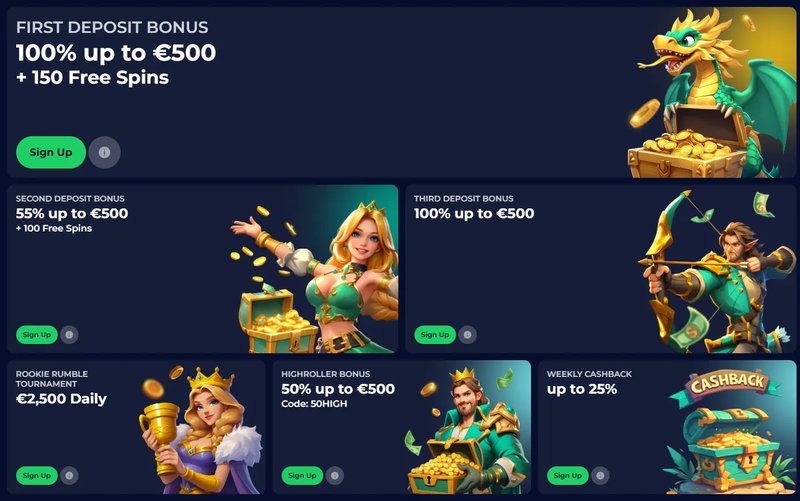
Beyond competitive play, many mobile enthusiasts are turning to online gaming and entertainment platforms that blend skill and leisure. For example, the popular “NineWin Casino” offers a variety of skill‑based games that reward quick decision‑making and strategic thinking. Players can practice timing and probability in a low‑risk environment, sharpening the same reflexes used in esports matches.
If you’re looking to test your luck and skill side‑by‑side, check out NineWin Casino.
Looking Ahead: What’s Next?
The next wave of mobile esports will likely involve augmented reality (AR) titles, where players interact with virtual objects overlaid on the real world. Early prototypes from UK developers have shown that AR can add a new layer of depth to strategy games, making the experience more immersive.
In short, the UK’s mobile esports ecosystem is growing fast, powered by better hardware, structured tournaments, and a supportive community. If you’re ready to turn a hobby into a career, start with a 120 Hz phone, join a local club, and keep an eye on the rising AR trend. The future is mobile, and it’s here to stay.
Frequently Asked Questions
What sparked the mobile esports boom in the UK?
The surge began with widespread smartphone adoption and free-to-play titles like Clash Royale, making competitive play accessible to everyone.
How do UK players prepare for mobile tournaments?
They train on high‑end phones, use simulators, and follow professional coaching to master tactics and reaction times.
Are mobile esports events as profitable as console ones?
While still growing, prize pools are increasing, and sponsors are investing heavily in mobile leagues and streaming platforms.
